
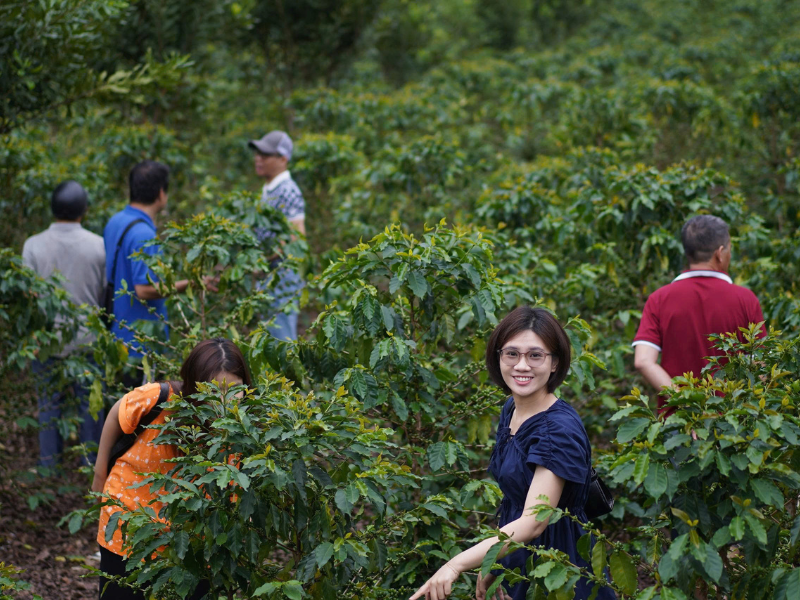
Nestled in the mist-covered mountains of Điện Biên Province, Mường Ảng is one of Vietnam’s most quietly distinctive Arabica origins. Shaped by cool temperatures, high altitude, and mineral-rich soil, coffee here ripens slowly, developing a cup defined by softened acidity, fuller body, gentle bitterness, and a lingering sweetness. Though long overshadowed by the Central Highlands, Mường Ảng has gradually built its own identity through climate, patience, and increasingly refined processing methods—offering an origin that speaks softly, but stays with you.
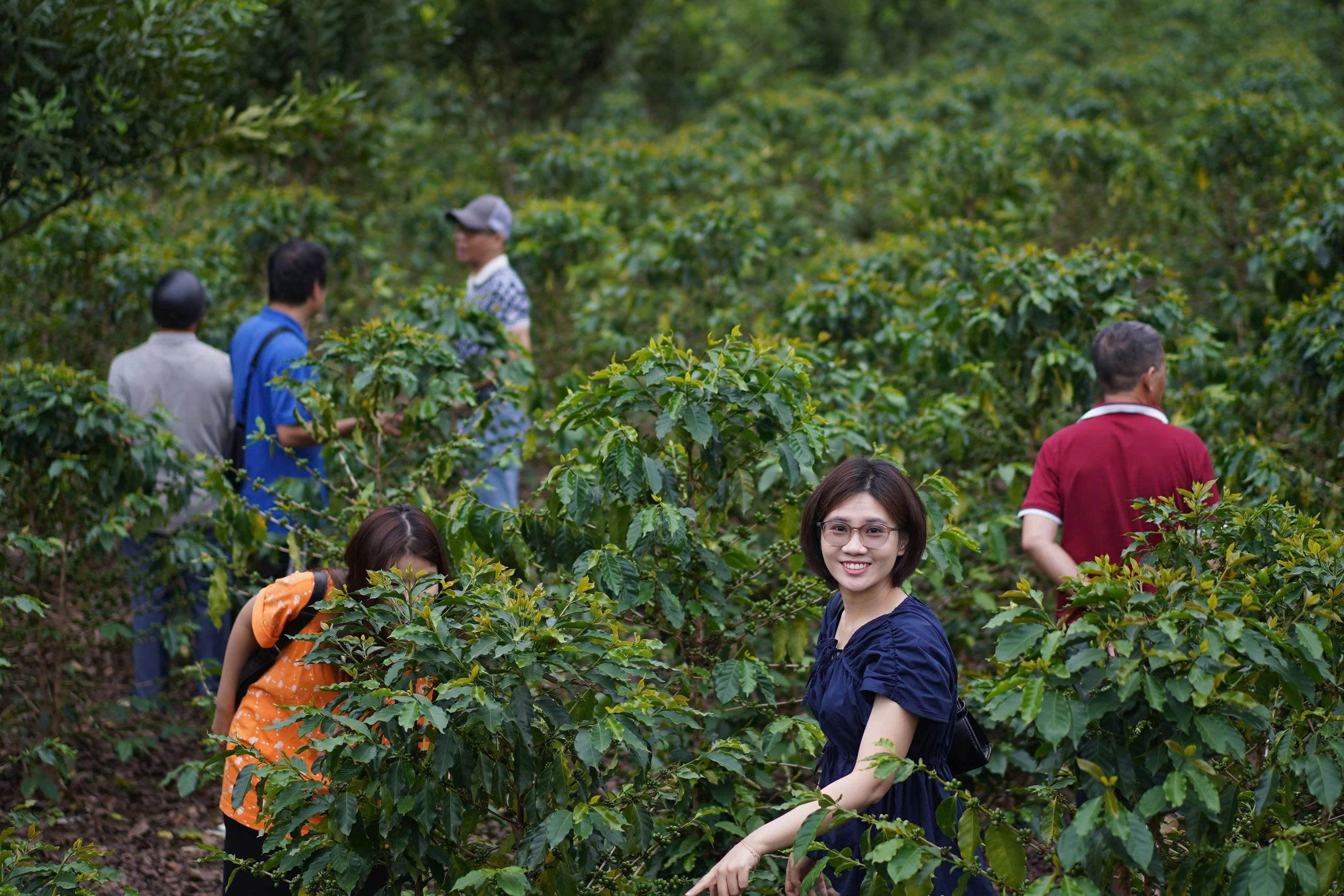
On Arabica grown at the edge of the clouds — Mường Ảng, Điện Biên
There is a valley in the northwest of Vietnam where mornings arrive slowly, wrapped in mist thick enough to settle on coffee leaves like a second skin. Here, neither the farmers nor the fruit are ever in much of a hurry.
Mường Ảng is not a name found on most coffee menus. It is rarely spoken with the same familiarity as Da Lat, nor does it carry the international recognition of origins like Yirgacheffe or Sumatra. And yet, among those who have traced Vietnamese Arabica beyond its more familiar landscapes, who cross the winding roads of the northwest and follow the clouds and winds of Tây Bắc, this small district in Điện Biên Province remains something of an open secret. High above the valleys, tucked between mountain ridges and drifting fog, lies one of Vietnam’s most distinctive Arabica-growing regions.
The French Were Here First, and Then Moved On
Coffee cultivation in northern Vietnam dates back to the French colonial period, when several northern regions were explored for their agricultural potential. But Mường Ảng was never an easy landscape to industrialize. The terrain was steep, the logistics demanding, and the yields far less predictable than what the volcanic soils of Vietnam’s southern highlands would later promise.
As coffee production gradually shifted toward the Central Highlands, where large-scale cultivation proved more practical, regions like Mường Ảng remained largely outside the commercial spotlight. The northwest was left to its mist, its silence, and its own rhythm.
What large-scale coffee elsewhere optimized for was efficiency and output. Mường Ảng evolved differently—quietly, over decades of cold mornings, slower cherry development, and harvest cycles shaped more by climate than by urgency.
A Taste That Earns Its Own Language
Arabica from northern Vietnam is often associated with vivid acidity: bright, citrus-forward, and sharply defined. Mường Ảng takes a more restrained approach.
The acidity is still present, but softened by altitude and cooler temperatures into something rounder and more composed—a clean fruit-forward tartness that introduces itself without dominating the palate. What follows is where the cup becomes more compelling: a body fuller than one might expect from Arabica grown at this latitude, a gentle bitterness that adds structure rather than sharpness, and finally, a sweetness that arrives gradually and lingers long after the final sip.
Its aroma leans toward wildflowers, roasted chestnut, light malt, and warm sugar. When carefully processed, particularly through washed or honey methods increasingly adopted by local cooperatives, Mường Ảng Arabica reveals remarkable clarity and balance.
The Valley That Holds the Cold
In specialty coffee, geography is rarely incidental. Coffee in Mường Ảng is typically grown at elevations ranging from roughly 900 to 1,200 meters above sea level. The district’s basin-like landscape is surrounded by mountain ridges that retain humidity, soften wind exposure, and preserve lower temperatures through much of the growing season.
This microclimate matters. Cooler conditions slow the ripening of coffee cherries, extending sugar development and allowing flavors to build with greater concentration and complexity.
The soil is predominantly red-yellow feralite, mineral-rich and relatively deep, supporting steady growth and strong root development. In Mường Ảng, nearly everything happens with patience: the trees mature gradually, the cherries ripen slowly, and flavor develops layer by layer. That patience is what ultimately lingers in the cup.
Catimor, and the Craft of the Cooperative
The dominant variety grown here is Catimor, a hybrid developed from Timor Hybrid and Caturra. In specialty coffee circles, Catimor does not always carry the prestige of varieties such as Bourbon or Geisha, often valued more for resilience and productivity than complexity.
Yet terroir has a way of changing perception.
Under Mường Ảng’s cooler climate, combined with selective harvesting and increasingly refined post-harvest practices, Catimor expresses itself differently here—cleaner, sweeter, and more structured than its commodity reputation might suggest.
The most meaningful transformation in recent years has come not from the genetics of the plant, but from the people processing it. Local cooperatives, once more reliant on traditional natural drying methods, have increasingly adopted washed and honey processing. The difference in the cup is unmistakable: greater consistency, cleaner acidity, and sharper flavor definition. The same landscape, simply brought into clearer focus.
The Cup
There is a moment in every memorable coffee when the flavors stop competing and begin to make sense together. In Mường Ảng’s best lots, that moment often arrives in the finish.
The fruit-forward opening softens. The gentle bitterness settles into place. And then comes the sweetness—persistent, quiet, almost delayed—as though the cold itself had been preserving it all along.
This is what patience tastes like: the mist, the basin, the mineral-rich soil, and the slow-ripening cherries, all compressed into something warm enough to hold in both hands on a cold morning.
Some coffees impress immediately. Mường Ảng stays with you quietly.
Where the Cold Makes the Coffee Sing
On Arabica grown at the edge of the clouds — Mường Ảng, Điện Biên
There is a valley in the northwest of Vietnam where mornings arrive slowly, wrapped in mist thick enough to settle on coffee leaves like a second skin. Here, neither the farmers nor the fruit are ever in much of a hurry.
Mường Ảng is not a name found on most coffee menus. It is rarely spoken with the same familiarity as Da Lat, nor does it carry the international recognition of origins like Yirgacheffe or Sumatra. And yet, among those who have traced Vietnamese Arabica beyond its more familiar landscapes, who cross the winding roads of the northwest and follow the clouds and winds of Tây Bắc, this small district in Điện Biên Province remains something of an open secret. High above the valleys, tucked between mountain ridges and drifting fog, lies one of Vietnam’s most distinctive Arabica-growing regions.
The French Were Here First, and Then Moved On
Coffee cultivation in northern Vietnam dates back to the French colonial period, when several northern regions were explored for their agricultural potential. But Mường Ảng was never an easy landscape to industrialize. The terrain was steep, the logistics demanding, and the yields far less predictable than what the volcanic soils of Vietnam’s southern highlands would later promise.
As coffee production gradually shifted toward the Central Highlands, where large-scale cultivation proved more practical, regions like Mường Ảng remained largely outside the commercial spotlight. The northwest was left to its mist, its silence, and its own rhythm.
What large-scale coffee elsewhere optimized for was efficiency and output. Mường Ảng evolved differently—quietly, over decades of cold mornings, slower cherry development, and harvest cycles shaped more by climate than by urgency.
A Taste That Earns Its Own Language
Arabica from northern Vietnam is often associated with vivid acidity: bright, citrus-forward, and sharply defined. Mường Ảng takes a more restrained approach.
The acidity is still present, but softened by altitude and cooler temperatures into something rounder and more composed—a clean fruit-forward tartness that introduces itself without dominating the palate. What follows is where the cup becomes more compelling: a body fuller than one might expect from Arabica grown at this latitude, a gentle bitterness that adds structure rather than sharpness, and finally, a sweetness that arrives gradually and lingers long after the final sip.
Its aroma leans toward wildflowers, roasted chestnut, light malt, and warm sugar. When carefully processed, particularly through washed or honey methods increasingly adopted by local cooperatives, Mường Ảng Arabica reveals remarkable clarity and balance.
The Valley That Holds the Cold
In specialty coffee, geography is rarely incidental. Coffee in Mường Ảng is typically grown at elevations ranging from roughly 900 to 1,200 meters above sea level. The district’s basin-like landscape is surrounded by mountain ridges that retain humidity, soften wind exposure, and preserve lower temperatures through much of the growing season.
This microclimate matters. Cooler conditions slow the ripening of coffee cherries, extending sugar development and allowing flavors to build with greater concentration and complexity.
The soil is predominantly red-yellow feralite, mineral-rich and relatively deep, supporting steady growth and strong root development. In Mường Ảng, nearly everything happens with patience: the trees mature gradually, the cherries ripen slowly, and flavor develops layer by layer. That patience is what ultimately lingers in the cup.
Catimor, and the Craft of the Cooperative
The dominant variety grown here is Catimor, a hybrid developed from Timor Hybrid and Caturra. In specialty coffee circles, Catimor does not always carry the prestige of varieties such as Bourbon or Geisha, often valued more for resilience and productivity than complexity.
Yet terroir has a way of changing perception.
Under Mường Ảng’s cooler climate, combined with selective harvesting and increasingly refined post-harvest practices, Catimor expresses itself differently here—cleaner, sweeter, and more structured than its commodity reputation might suggest.
The most meaningful transformation in recent years has come not from the genetics of the plant, but from the people processing it. Local cooperatives, once more reliant on traditional natural drying methods, have increasingly adopted washed and honey processing. The difference in the cup is unmistakable: greater consistency, cleaner acidity, and sharper flavor definition. The same landscape, simply brought into clearer focus.
The Cup
There is a moment in every memorable coffee when the flavors stop competing and begin to make sense together. In Mường Ảng’s best lots, that moment often arrives in the finish.
The fruit-forward opening softens. The gentle bitterness settles into place. And then comes the sweetness—persistent, quiet, almost delayed—as though the cold itself had been preserving it all along.
This is what patience tastes like: the mist, the basin, the mineral-rich soil, and the slow-ripening cherries, all compressed into something warm enough to hold in both hands on a cold morning.
Some coffees impress immediately. Mường Ảng stays with you quietly.
Để lại một bình luận